The Complete Guide to Pipette Tips
By Pipettes Guru
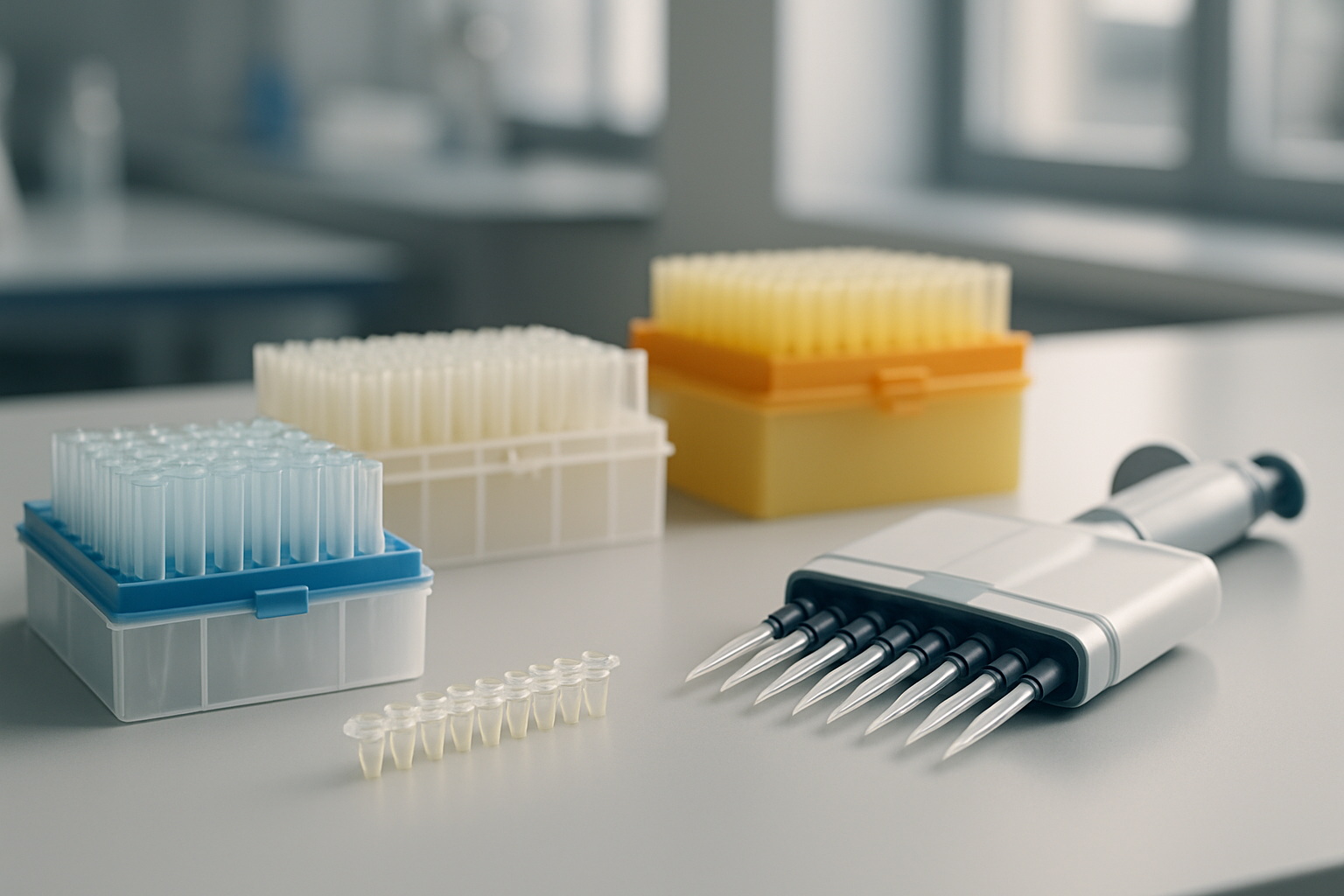
Tips are the cheapest thing in the lab and the easiest place to quietly overspend — or to compromise a result. The trick is matching the feature to the application: pay for sterility and filters where contamination matters, skip them where it doesn’t, and never buy a tip that doesn’t seal properly on your instrument. Here’s the framework.
Filtered, sterile, low-retention — what you actually need
Filters protect the pipette (and your sample) from aerosols; sterility matters for cell culture and clinical work; low-retention matters for viscous or precious samples. For most routine pipetting you need none of them. We map features to applications in which tip features you actually need for PCR.
Choosing tips for PCR specifically
PCR is the application where tip choice genuinely changes outcomes — contamination is unforgiving. Our complete guide to tip selection for PCR covers filters, sterility and nuclease-free certification.
Fit matters more than brand
A tip that doesn’t seal leaks volume — invisibly. Universal tips fit most instruments, but systems like Rainin LTS need a matched tip. Use our tip catalog filters to match by instrument, and consider sterility-extended tips — same sterile tip, past its labeled date, up to 80% off for teaching and general work.
Read the full series
This guide is the hub for our in-depth articles on the topic — each one goes deeper than we can here:
- Filtered, Sterile, Low-Retention: Which Tip Features You Actually Need for PCR
- A Complete Guide to Pipette Tip Selection for PCR Applications
Ready to shop?
Shop pipette tips · Sterility-extended tips (up to 80% off) · Browse the full catalog
Universal and brand-specific racks, sterile and filtered options — plus sterility-extended tips up to 80% off.
Shop pipette tips →✓ Free shipping over $500 · ✓ Fast dispatch · ✓ Bulk pricingShop the range
Shop pipette tips · Sterility-extended tips (up to 80% off) · Browse the full catalog